

Investing in Paint Protection Film (PPF) is one of the smartest decisions you can make to protect your car’s exterior. However, getting the ultimate invisible defense requires more than just buying a good film—the quality of the installation and proper post-care are equally vital.
Even the highest-grade film can peel, bubble, or yellow prematurely if installed incorrectly or neglected afterward.
In this guide, we will break down the professional PPF installation process, highlight critical post-installation care steps, and uncover common mistakes that every vehicle owner must avoid.
What Happens During a Professional PPF Installation?
A flawless PPF application requires surgical precision, a cleanroom environment, and expert craftsmanship. Here is what a professional installation workflow looks like:1. Deep Surface Preparation
Before any film touches the paint, the car must undergo a rigorous multi-step cleaning process. This includes a pH-neutral foam wash, iron decontamination, clay bar treatment, and light paint correction (polishing) to eliminate swirl marks. Any debris trapped under the film will become permanently visible.
2. Precision Computer Cutting (DAP / Plotter)
Modern installers use computer software to cut templates tailored to your vehicle's specific make, model, and trim. This eliminates the need to cut film directly on your car's paint with a razor blade, drastically reducing the risk of accidental scratches.
3. Slip Solution & Alignment
Installers spray a lubricated slip solution onto both the vehicle and the adhesive side of the film. This allows them to maneuver the TPU membrane into exact position before squeegeeing out the water and air pockets.
4. Edge Wrapping & Heat Curing
For a truly invisible finish, top-tier installers stretch and wrap the film edges inside door seams, hood lips, and bumper edges. Finally, a heat gun is applied to seal the adhesive along the edges.
5 Common PPF Mistakes Vehicle Owners Make (And How to Avoid Them)
To ensure your investment lasts for years, steer clear of these frequent pitfalls:
1. Choosing Installer Quality Based Solely on Price
The Danger: A low price tag often means rushed prep work, uncalibrated blades, or unskilled labor.Cheap installations often result in lifted edges, trapped dust, alignment gaps, or cut clear coat beneath the film. Always choose an installer with certified technicians, a climate-controlled bay, and a proven portfolio.
2. Buying Low-Quality PVC Instead of TPU
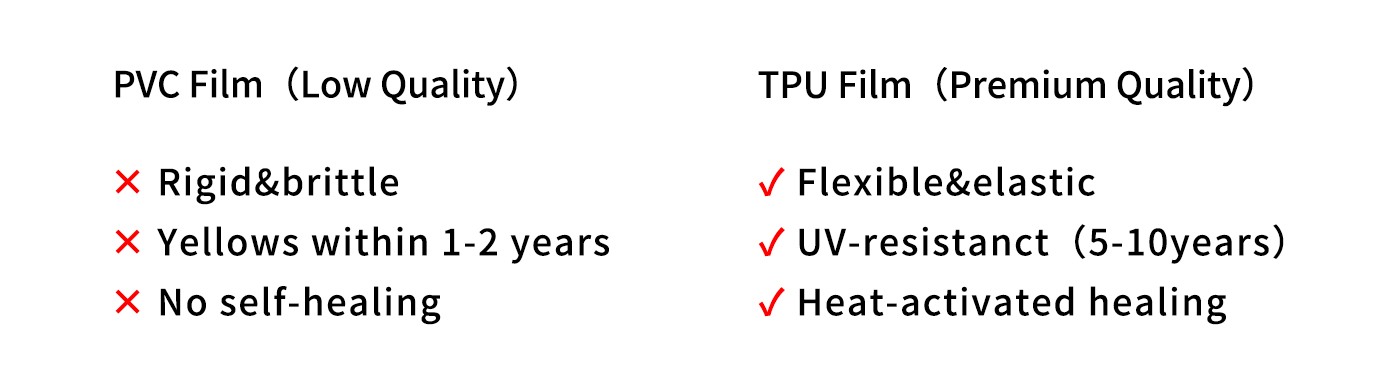
Not all "clear bras" are made equal. Cheap PVC (polyvinyl chloride) films are rigid, prone to yellowing under UV light within 12–18 months, and lack self-healing capabilities.
Always demand high-density TPU (Thermoplastic Polyurethane). Premium products, such as Motec Paint Protection Film, utilize top-grade TPU formulations engineered for extreme elasticity, optical clarity, and robust resistance to environmental oxidation.
3. Washing the Car Too Soon After Installation
PPF uses a water-based adhesive that requires time to cure completely.
The Rule: Do NOT wash your car, drive through heavy rain, or push high speeds for at least 3 to 7 days post-installation (depending on ambient climate). Washing too early can force water under the edges and ruin the bond.
4. Using High-Pressure Water Near Film Edges
Pressure washers are fantastic for quick washes, but they can destroy PPF if misused. Holding a high-pressure nozzle too close to a film edge can lift the film or tear it off completely.The Rule: Keep pressure washer nozzles at least 12 to 18 inches away and never spray directly at an edge at a 90-degree angle.
5. Ignoring Organic Contaminants
While PPF is incredibly durable, organic substances like bird droppings, bug guts, tree sap, and hard water spots contain aggressive acids and minerals. If left under scorching heat for weeks, they can etch into the film’s top coat.
The Rule: Wipe away bird droppings and tree sap promptly using a soft microfiber towel and a quick detailer spray.
Essential Maintenance Checklist for Long-Lasting PPF
Keep this quick reference guide in mind to maximize the lifespan of your paint protection film:
|
Maintenance Task |
Recommended Frequency |
Best Practice |
|
Hand Wash |
Every 1–2 weeks |
Use the two-bucket method with a pH-neutral shampoo |
|
Spot Clean Contaminants |
As needed (Immediate) |
Use quick detailer & gentle microfiber towel |
|
Sealant/Coat Application |
Every 6 months |
Apply PPF-safe ceramic sealants or waxes |
|
Edge Inspection |
Every wash |
Check for lifting; visit your installer if noticed |
Final Thoughts
A premium Paint Protection Film is only as good as the hands that apply it and the care it receives afterward. By selecting a reputable installer, choosing top-tier TPU materials, and following basic maintenance protocols, your vehicle will maintain its pristine, factory-fresh look for a decade to come.
Protect your car the right way from day one, and enjoy total peace of mind wherever the road takes you.