

When you drive a new car off the lot, the gloss is blinding, and the surface is flawless. However, the road is a hostile environment. Every highway journey involves a barrage of microscopic debris, loose gravel, and acidic environmental contaminants. For many enthusiasts, Paint Protection Film (PPF) is the definitive answer. But as you begin your research, you will find a market saturated with endless brands, confusing acronyms, and vast price discrepancies.
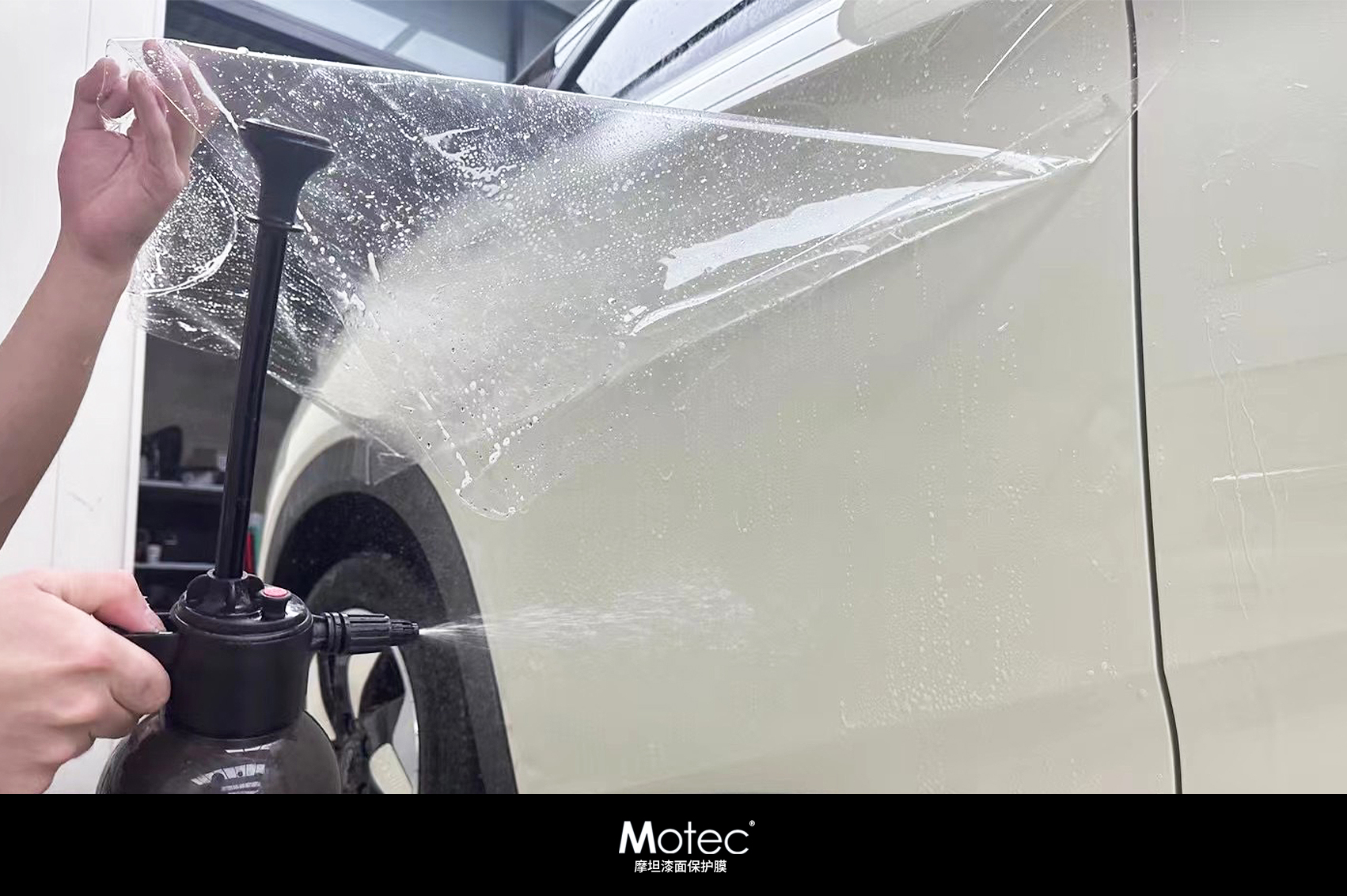
"Which brand is the best?" is the most common question, yet it is often the wrong one. A brand name is simply a label; the true value of PPF lies in its molecular construction, its adhesive stability, and the precision of its fit. To ensure your investment truly shields your vehicle, you must look beyond the marketing gloss.
Here are the five gold standards for selecting PPF that offers genuine, long-term protection.
1. The Material Foundation: TPU vs. TPH
The most critical factor in PPF performance is the base polymer. In the early days, films were often made of PVC (Polyvinyl Chloride). These were stiff, prone to yellowing, and cracked within months. Today, the industry gold standard is TPU (Thermoplastic Polyurethane).
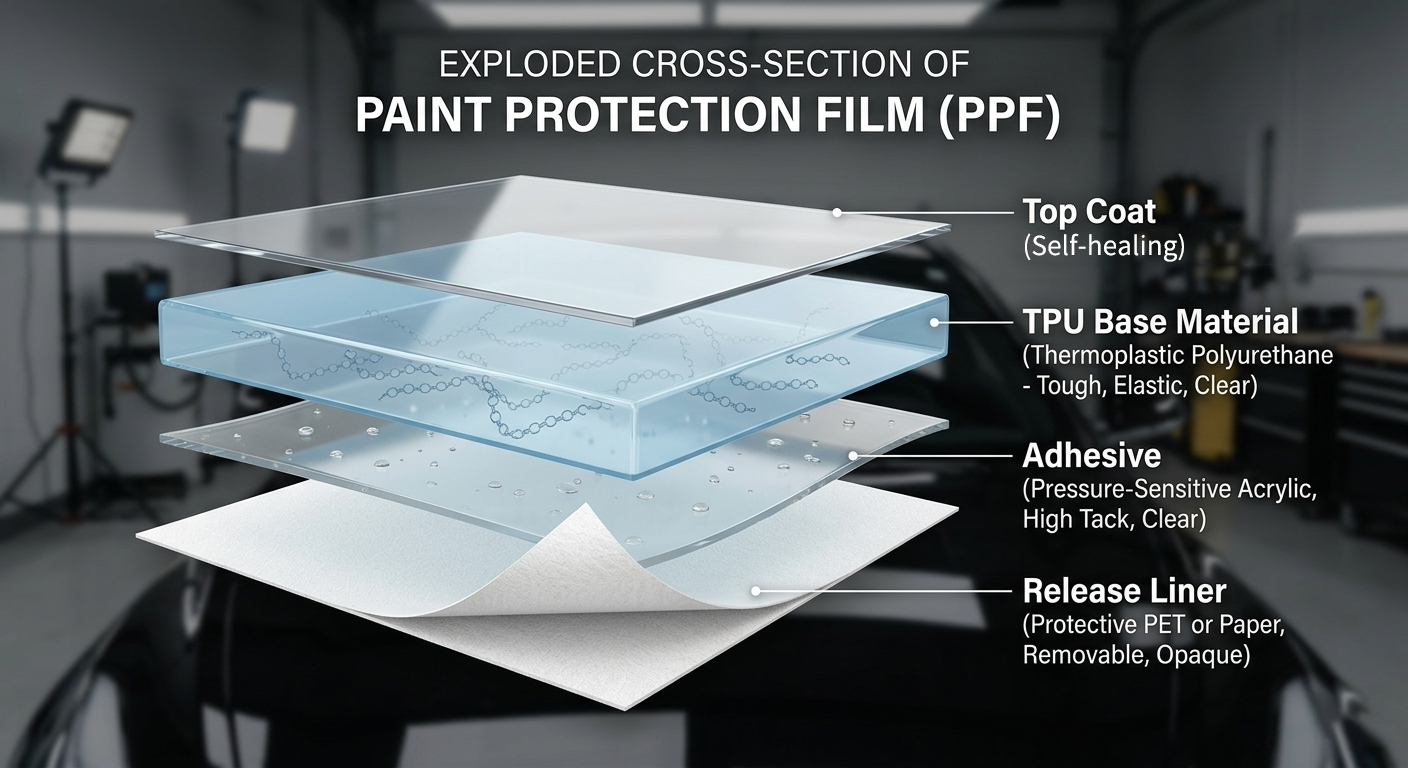
TPU is an elastomeric polymer known for its incredible tensile strength and flexibility. Unlike cheaper TPH (which is essentially PVC modified with plasticizers), TPU can stretch significantly without tearing. This elasticity allows the film to absorb the kinetic energy of a pebble hitting your bumper at 60 mph. While TPH might look similar on day one, it loses its flexibility quickly, becoming brittle and difficult to remove. If you want protection that lasts five to ten years, settle for nothing less than high-grade TPU.
2. True Self-Healing Capabilities
One of the most frequent questions from car owners is: "Does PPF really heal itself?" The answer depends on the quality of the top coat.
A premium film features a low-surface-energy top coat. This layer is designed to be "semi-solid." When light swirl marks or scratches from car washes occur, the molecules in this layer can rearrange themselves when exposed to heat—either from the sun or warm water.
However, not all "self-healing" films are created equal. Lower-quality films may heal once or twice but lose this ability as the top coat dries out. A gold-standard film maintains its "memory" for years. This ensures that your car doesn't just stay protected, but stays looking brand new without the need for constant polishing.
3. Optical Clarity and "Orange Peel" Reduction
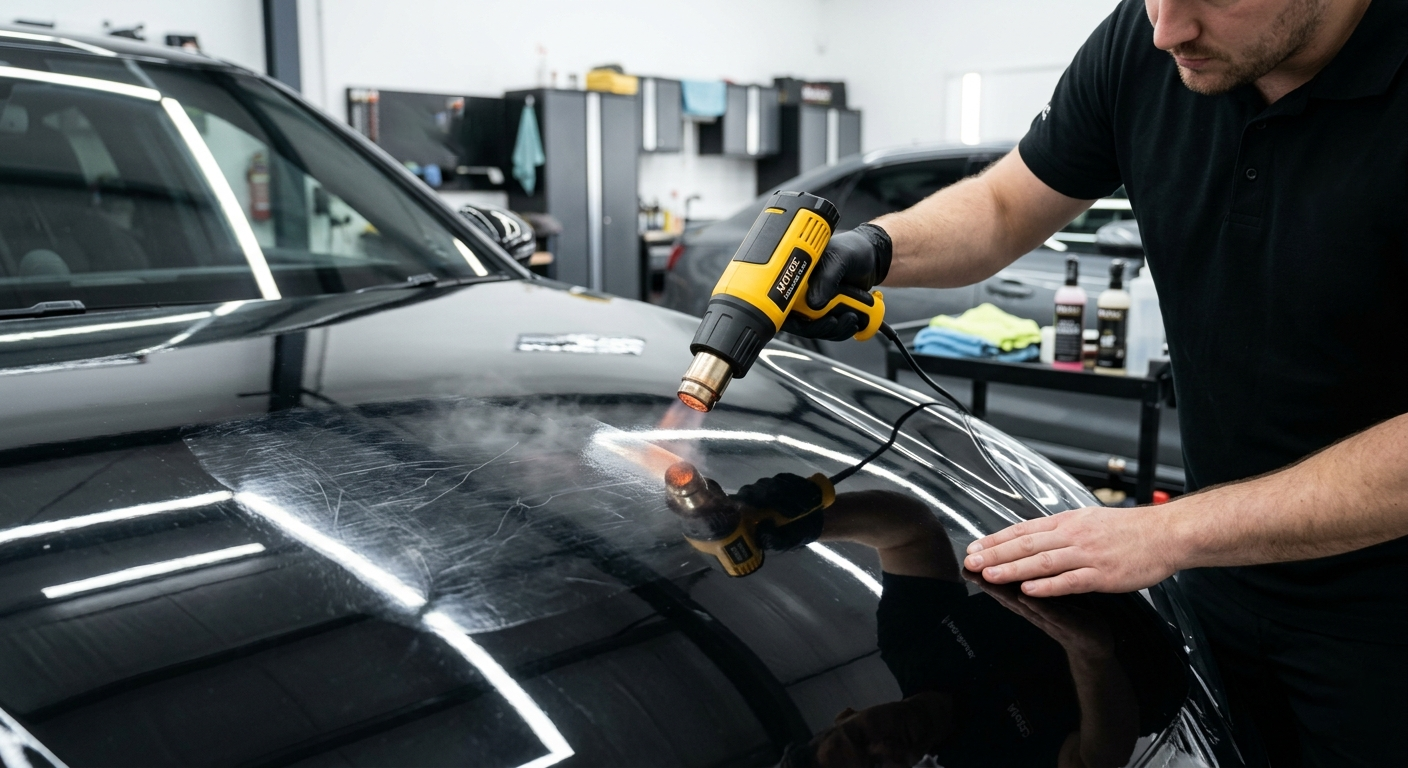
A common fear among luxury car owners is that adding a protective layer will dull the paint’s finish. Poorly manufactured films often exhibit "orange peel"—a textured, uneven surface that distorts light reflections.
True professional-grade PPF should be virtually invisible. It should enhance the depth of the factory paint, not obscure it. When evaluating a film, ask to see a sample applied to a dark-colored panel. High-quality TPU undergoes a rigorous manufacturing process to ensure the film is optically clear. This allows the metallic flake in your paint to pop while providing a mirror-like finish that is often smoother than the factory clear coat itself.
4. Adhesive Stability and Edge Integrity
The "invisible" part of an invisible bra depends entirely on the adhesive. This is where many budget-friendly films fail. A film is only as good as its bond to the substrate.
Gold-standard adhesives must strike a delicate balance. They need enough "tack" to stay firmly attached to complex curves and recessed areas, yet they must be "removable" years later without damaging the original paint or leaving a stubborn residue. If the adhesive is too aggressive, it can cause "lift lines" during installation. If it is too weak, the edges will begin to peel or "tunnel," allowing dirt to collect under the film. Professional-grade films use advanced acrylic adhesives that are UV-stable, ensuring the edges stay sealed even after thousands of miles of wind resistance.
5. Precision Pattern Engineering (The Fitment)
Even the best material in the world will look terrible if it is poorly fitted. This is the intersection of material science and craftsmanship. Historically, installers cut film directly on the car with a blade, which carried the risk of "score marks" on the paint.
Modern gold-standard protection relies on DAP (Digital Archiving Software) and pre-cut patterns. These patterns are engineered to fit specific makes and models with millimeter precision. When choosing a film provider, ensure they use a comprehensive database that allows for "wrapped edges." A wrapped edge means the film tucks behind the hood or fender, making the transition point invisible to the naked eye. This not only looks better but prevents high-pressure car washes from catching the edge of the film and causing it to lift.
Understanding the Daily Value
In your daily life, these five standards translate into peace of mind. Imagine parking at a crowded shopping mall. The person in the next stall carelessly swings their door open, striking your fender. Without PPF, that is a trip to the body shop, a mismatched paint pen, and a hit to your car's resale value. With a gold-standard TPU film, that impact is absorbed. The mark is on the film, not the paint, and often disappears after a few hours in the driveway.
Similarly, consider the "highway sandblasting" effect. Over time, the front of a car develops thousands of tiny white nicks from sand and small grit. By the time you notice them, the damage is done. A high-quality film acts as a sacrificial barrier, keeping the factory finish hermetically sealed against the elements.
Making the Final Choice
While brands like Motec focus heavily on these technical specifications to provide professional results, the choice always comes down to the data. Ask your installer about the thickness (usually measured in mils), the chemical resistance of the top coat, and the specific warranty against yellowing or cracking.
Protecting a vehicle is an investment in your lifestyle. By focusing on material quality, healing longevity, optical clarity, adhesive tech, and digital fitment, you ensure that your car remains a source of pride rather than a victim of the road. Don't just buy a brand; buy a standard of protection that holds up under the sun, through the winter, and across every mile you drive.